


The Challenge
Average Order Value
AED 152m
Gross Merchandise Value
AED 2.7m
Net Promoter Score (NPS)
40
Customer Satisfaction Rate
3.8
Conversion traffic to orders placed
10.9%
Split order delivery at the same address.
5%
On time deliveries to destination
98%
Customers now able to track their order
85%
The Breif
Some important facts from 2021-22 before project kickoff
Average Order Value
AED 105m
Gross Merchandise Value
AED 1.5m
Net Promoter Score (NPS)
22
Customer Satisfaction Rate
2.2
Conversion traffic to orders placed
1.9%
Split order delivery at the same address.
65%
On time deliveries to destination
83%
Customers now able to track their order
43%
Discovery phase

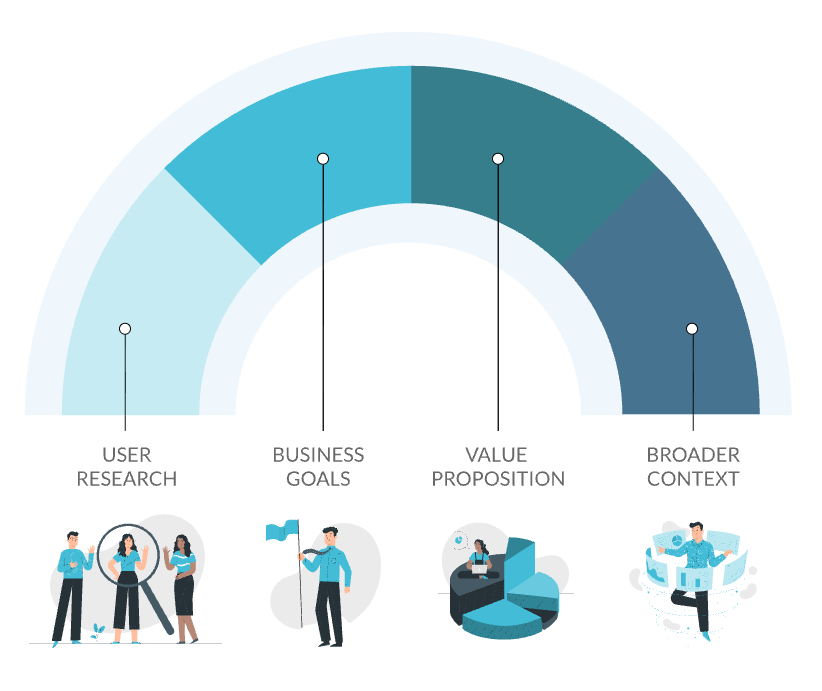
Discover – Designers try to look at the world in a fresh way, notice new things and gather insights.
Define – Designers try to make sense of all the possibilities identified in the Discover phase. Which matters most? Which should we act on first? What is feasible? The goal here is to develop a clear creative brief that frames the fundamental design challenge.
Develop – The third quarter marks a period of development where solutions or concepts are created, prototyped, tested and iterated.
Delivery – The resulting project (a product, service or environment, for example) is finalised, produced and launched.
This revelation spurred ongoing collaborative discussions to:
- Identify a crucial area for improvement, ensuring customer satisfaction.
- Emphasize the necessity for a holistic solution to capture vital data and user interactions accurately.
- Shift focus from hypotheses and assumptions to a more informed perspective.
Persona empathy & journey map
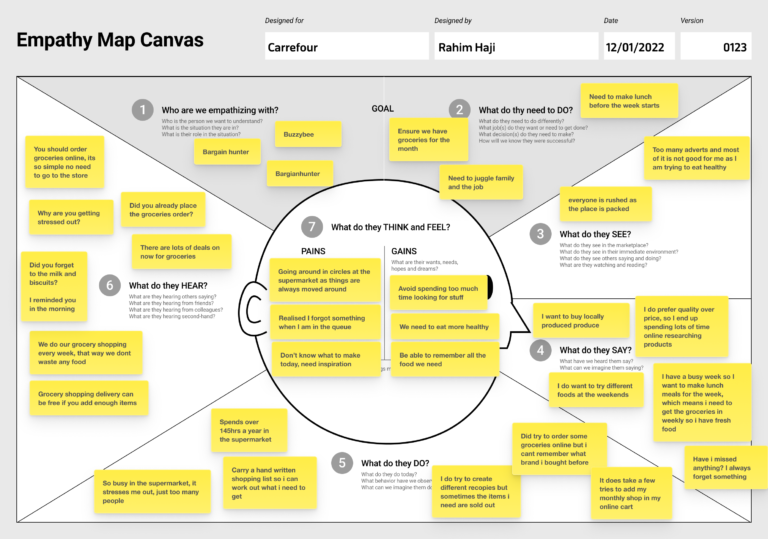
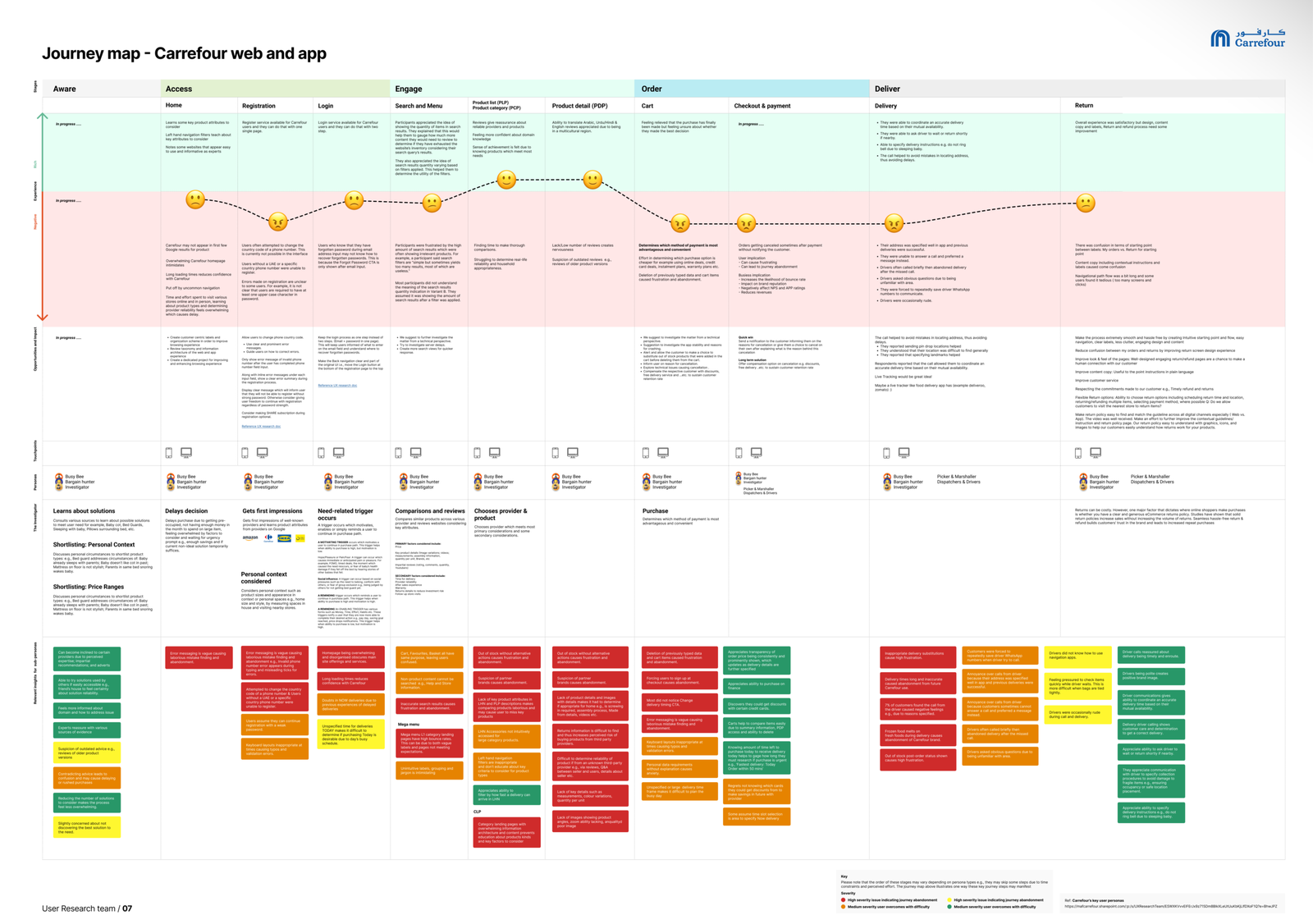
The empathy map visually depicts customers’ thoughts, feelings, and behaviors throughout their grocery shopping journey. It forms the basis for a user-centric and empathetic grocery solution by addressing pain points, desires, and motivations. Additionally, the journey map provides a comprehensive overview of the entire customer experience, highlighting key touchpoints and interactions.
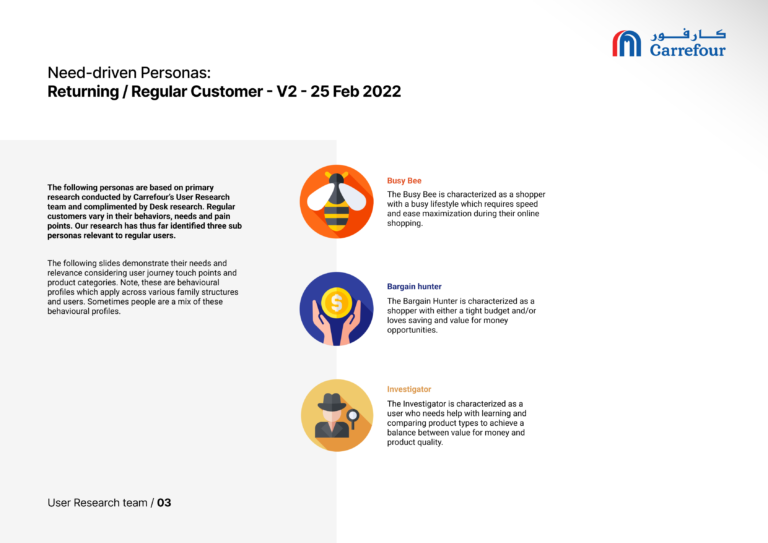
Persona’s
Empathy map
Journey map
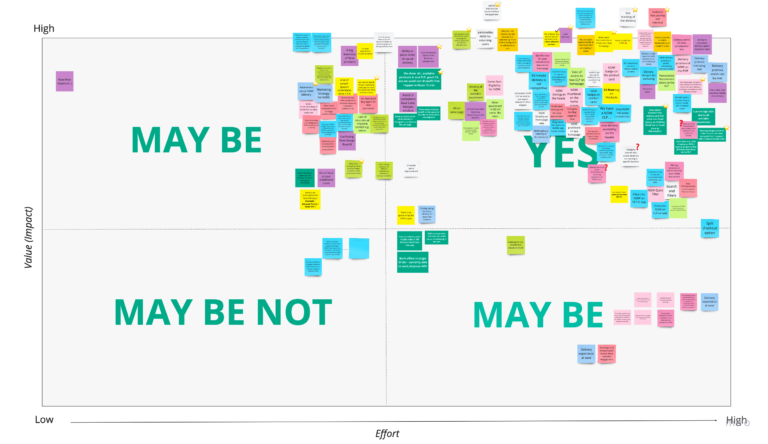
Impact & Effort Matrix
Data gathered
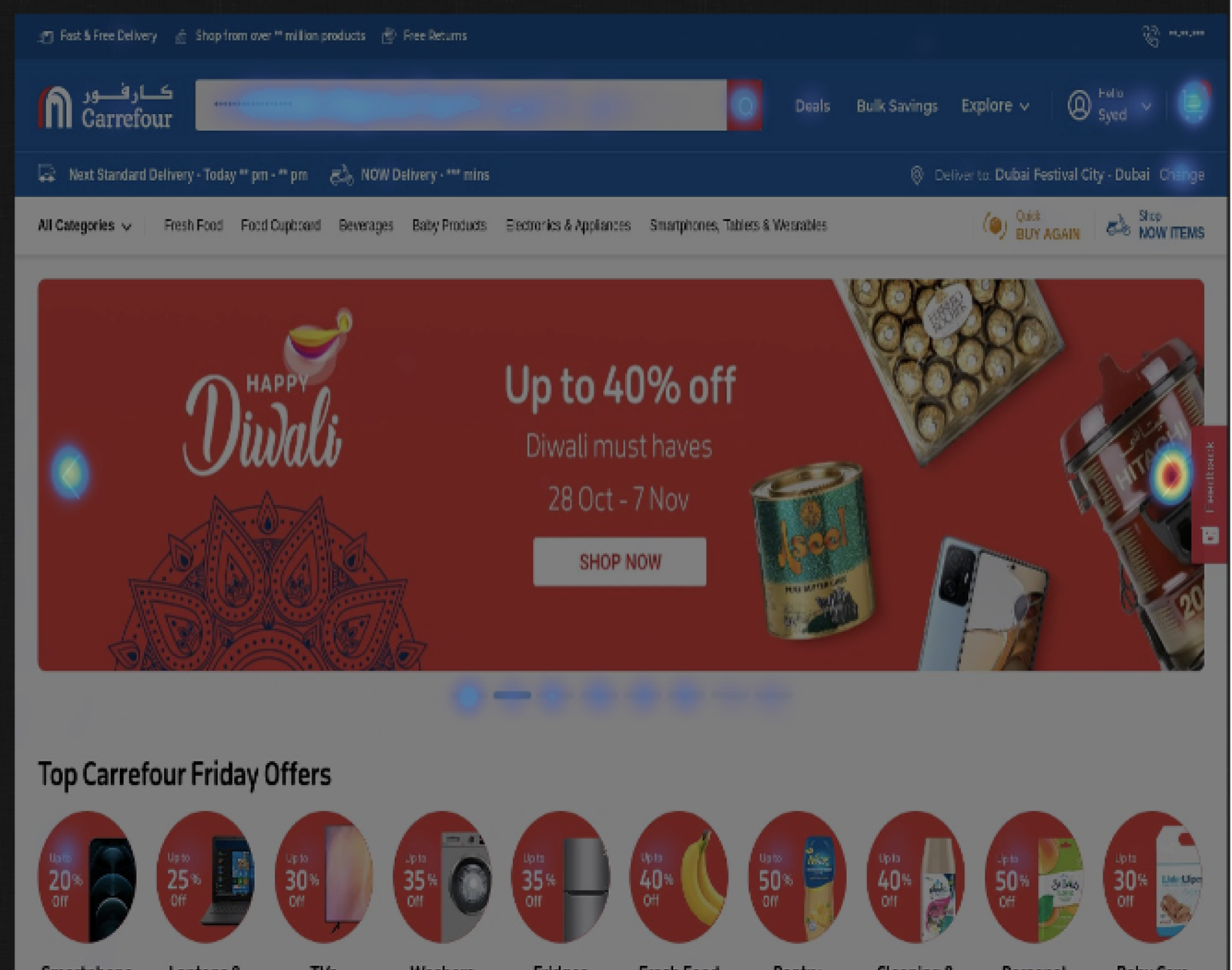
User Engagement – heatmap – desktop
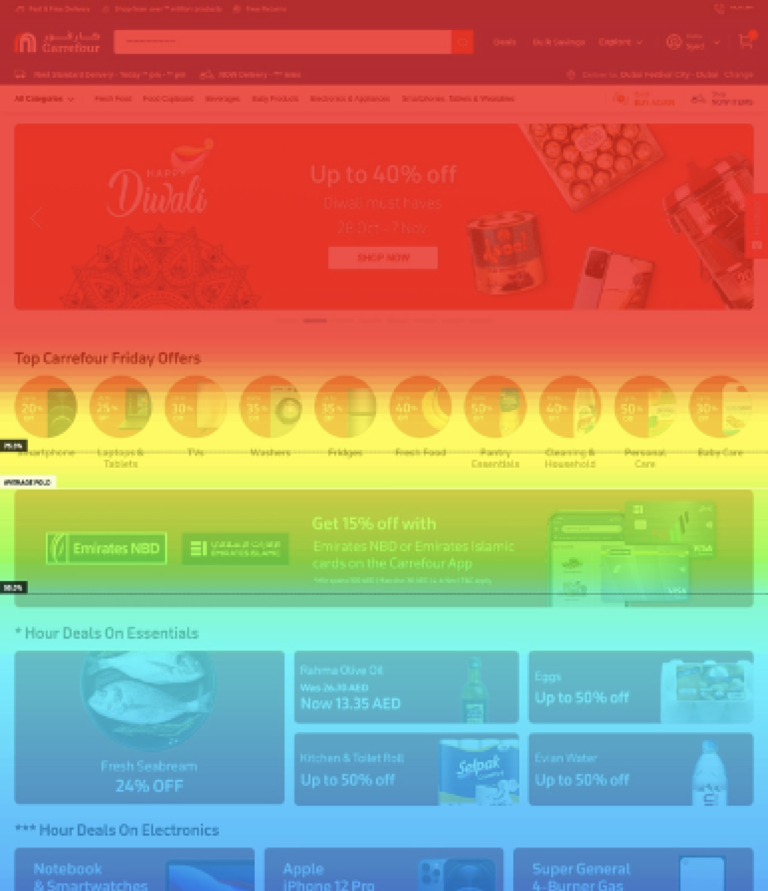
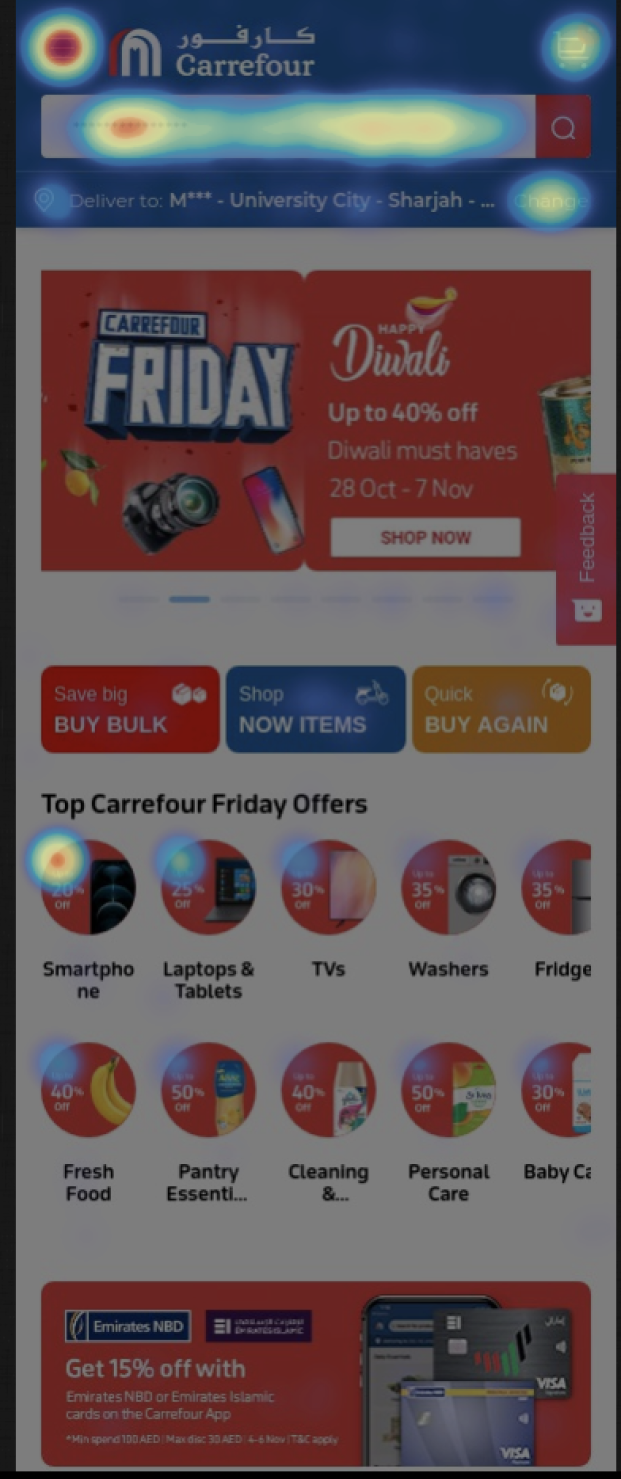
User Engagement – heatmap – mobile
User behavior – interaction – desktop
User behavior – interaction – mobile
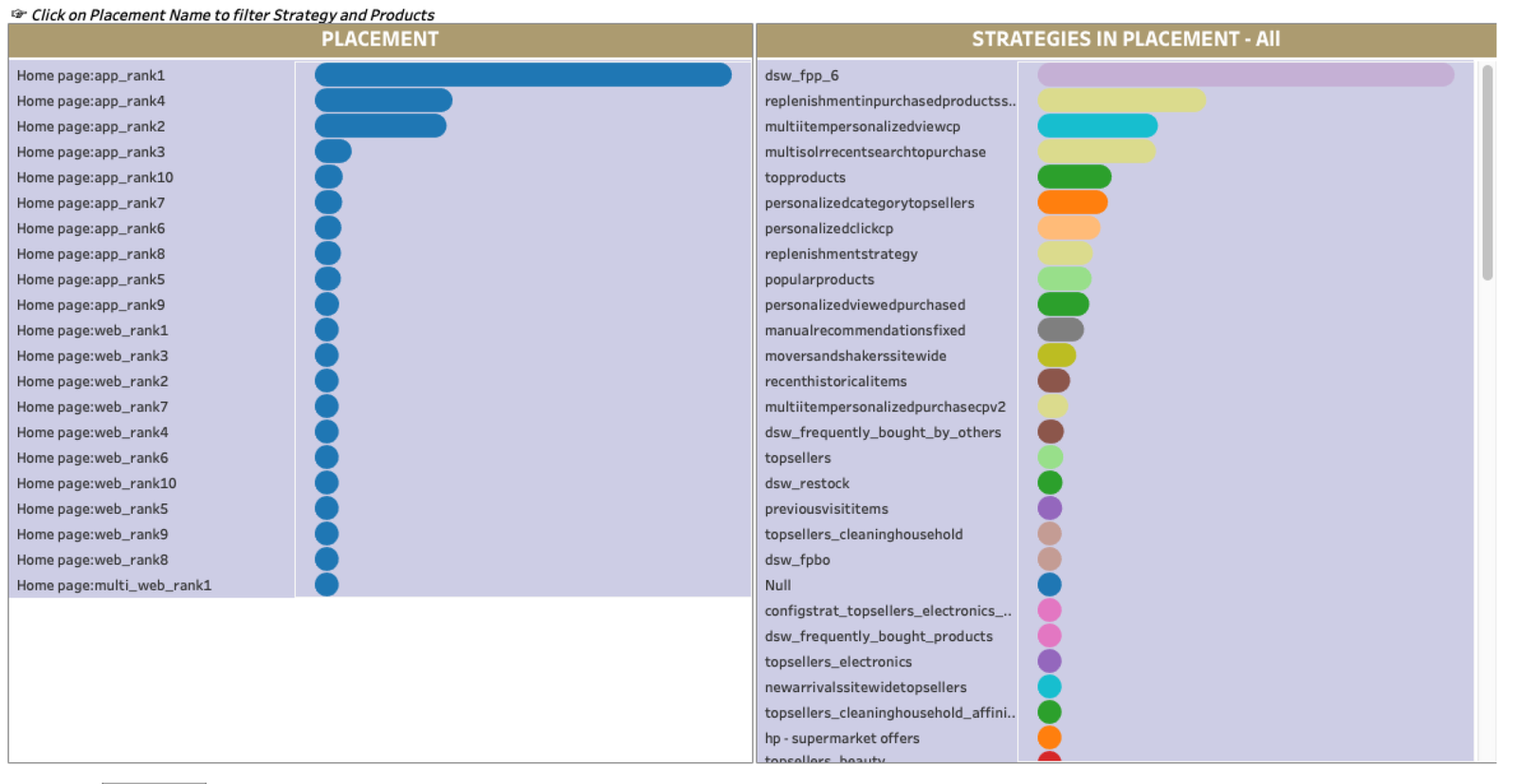
Personalised content data
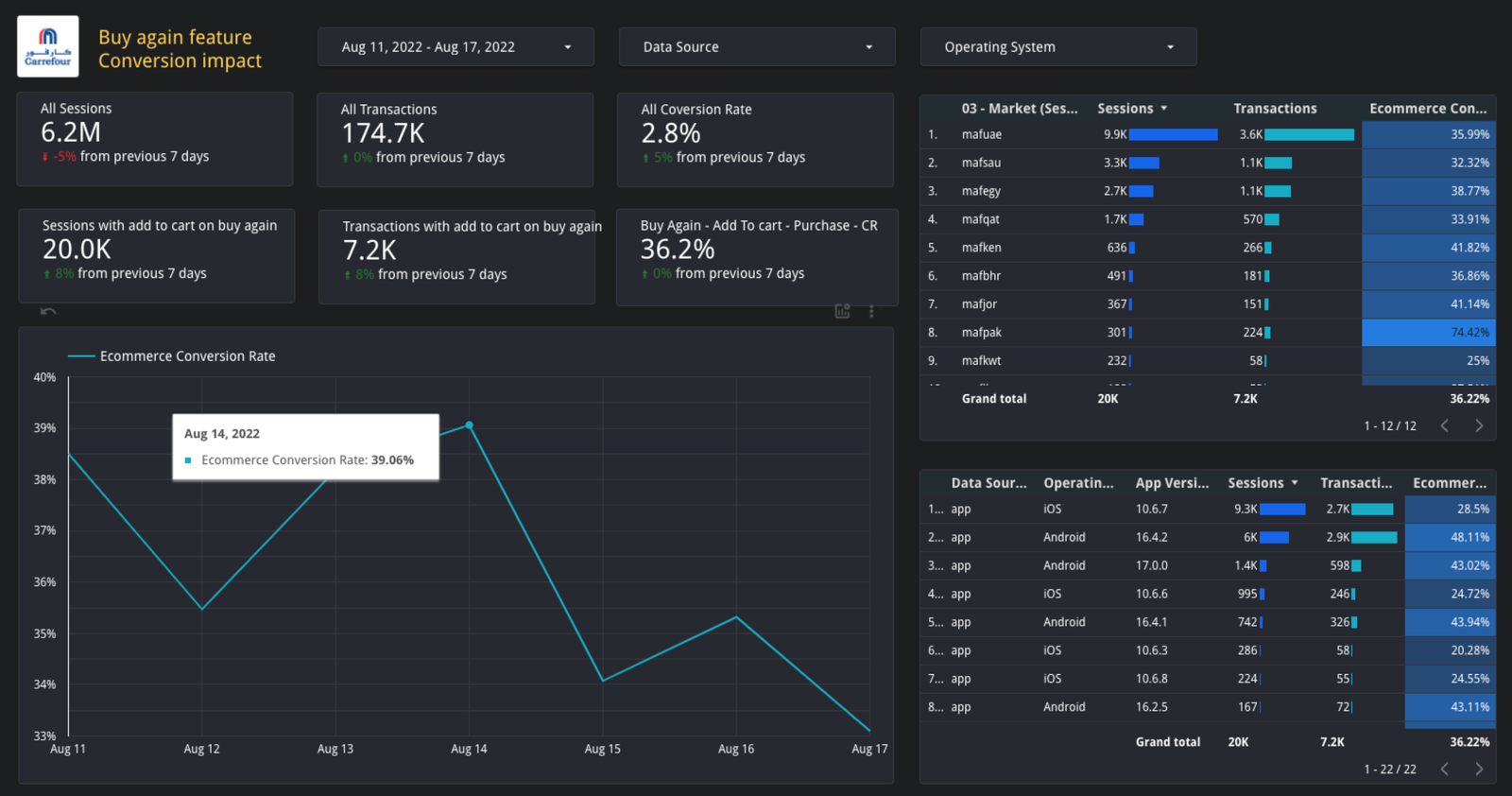
User data – Buy again feature
Audit findings
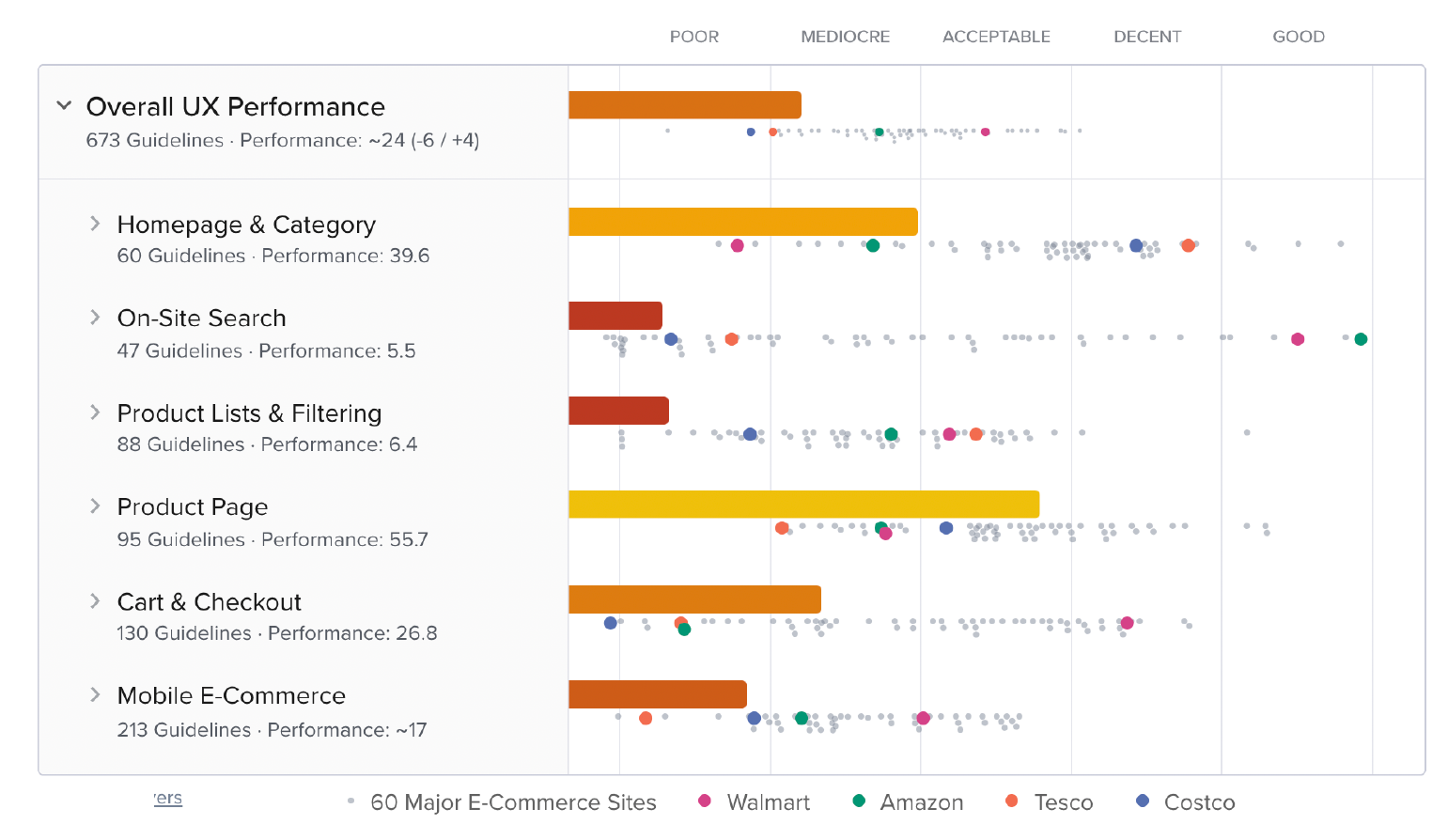
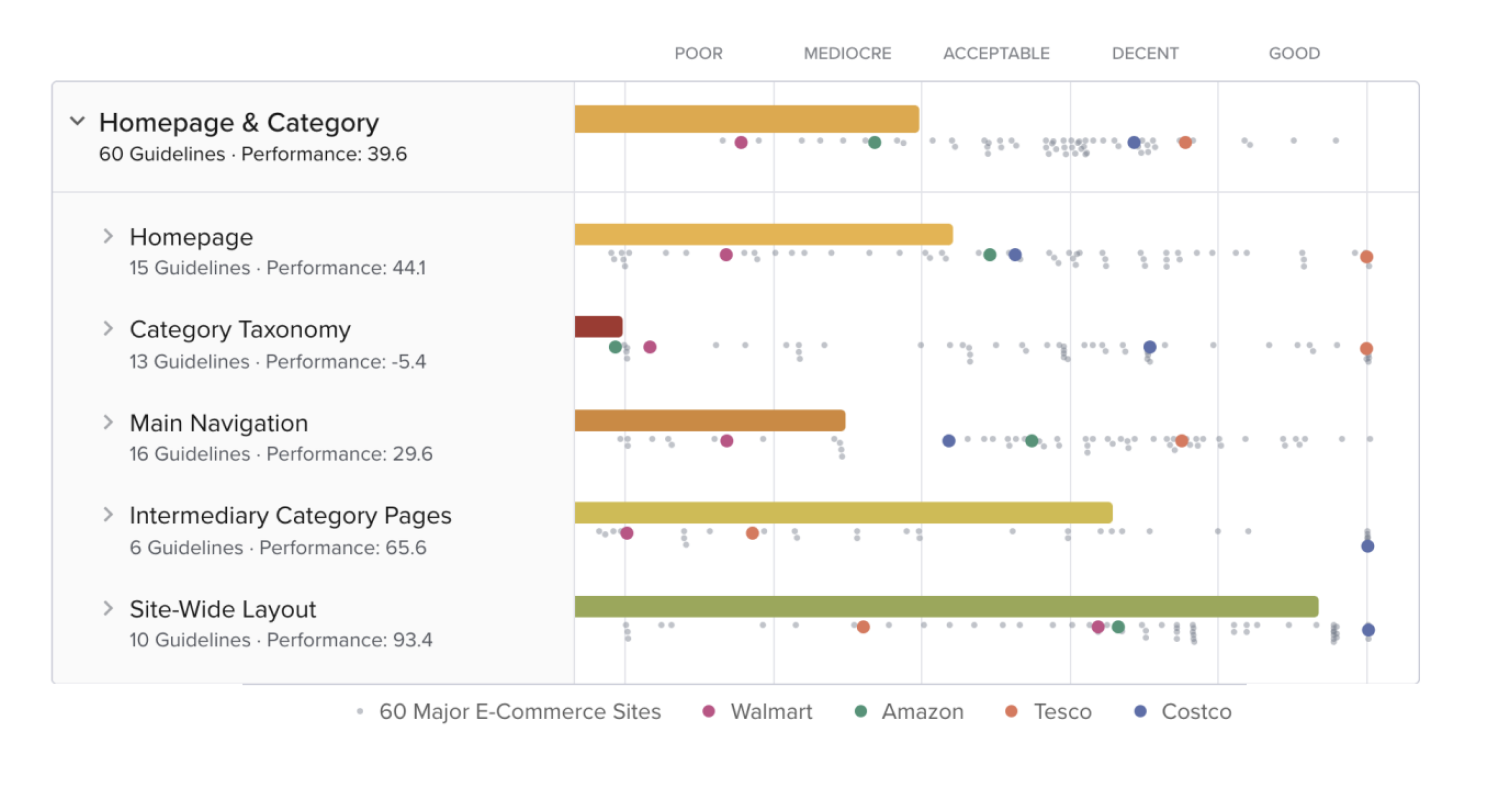
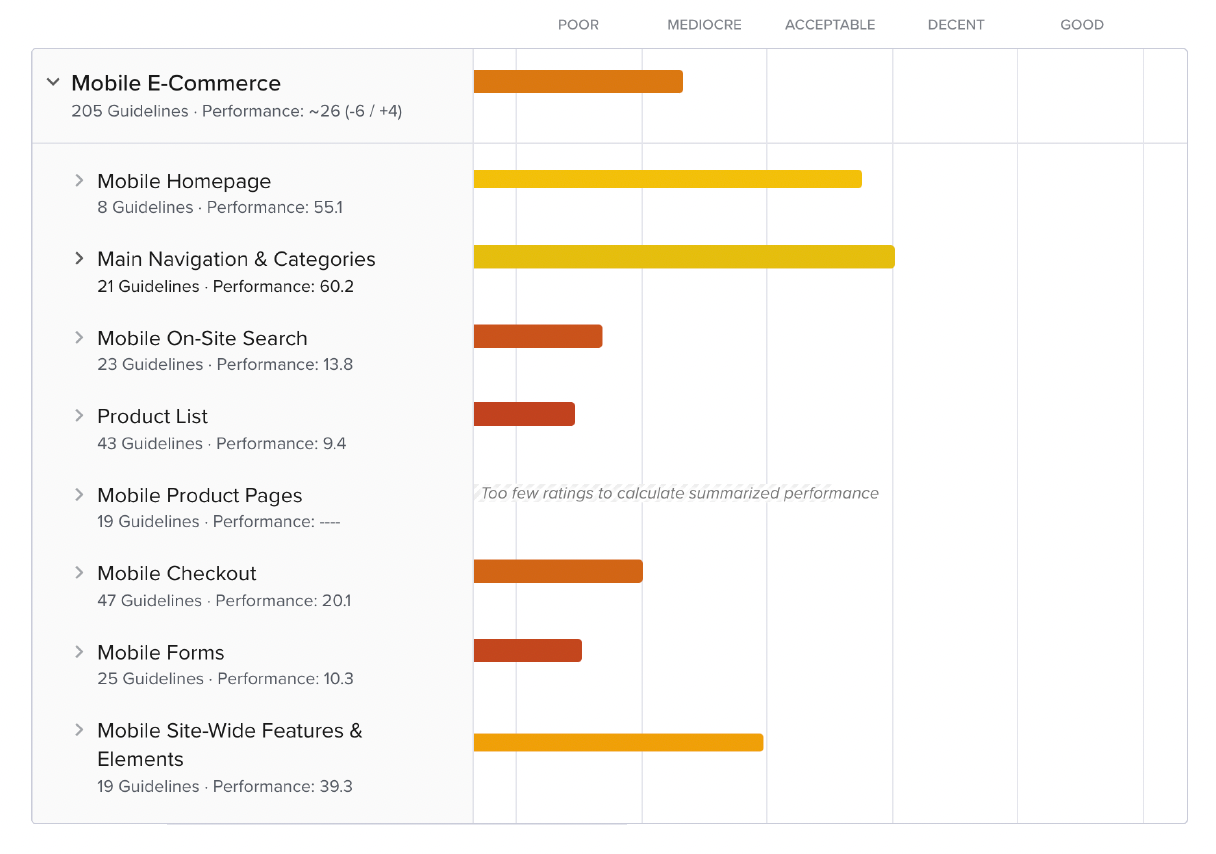
Conducting this audit involved a user-centric heuristic evaluation of Carrefour, drawing insights from an extensive 54,000+ hours of structured large-scale e-commerce usability testing and benchmarking. Utilizing indirect large-scale usability testing with over 1,200 user sessions, extensive eye-tracking studies, UX performance benchmarking, and quantitative analyses aimed to unveil overarching user behavior patterns in e-commerce. This approach, differing from traditional low-volume usability testing with 10-50 users, provided a holistic understanding of general user behaviors applicable to Carrefour.
The findings clearly indicate the imperative need for a comprehensive digital solution overhaul, aligning with user needs, to position Carrefour as a leader within the GCC.
Homepage UX performance
Mobile UX performance
Open points
-
- Can we rebuild the order tracking service?
-
Objectives
- Consider guest checkout journey to increase GMV
- Analyse cart to purchase abandonment
- Reduce the cost of delivery by not o,acting the business
- Drive insights related to personalisation.
Challenges
- Identifying drop-off points may highlight friction or usability issues, impacting overall conversion rates
- Limited data may hinder accurate personalisation efforts, potentially leading to irrelevant user experiences.
Phase 1 scope
- Establish UX practice, DesignOps & Craft governance
-
-
Competitive Analysis
Competitor analysis informs our strategy, providing insights into market trends and areas for differentiation. Understanding strengths and weaknesses allows us to position ourselves strategically, fostering continual improvement.
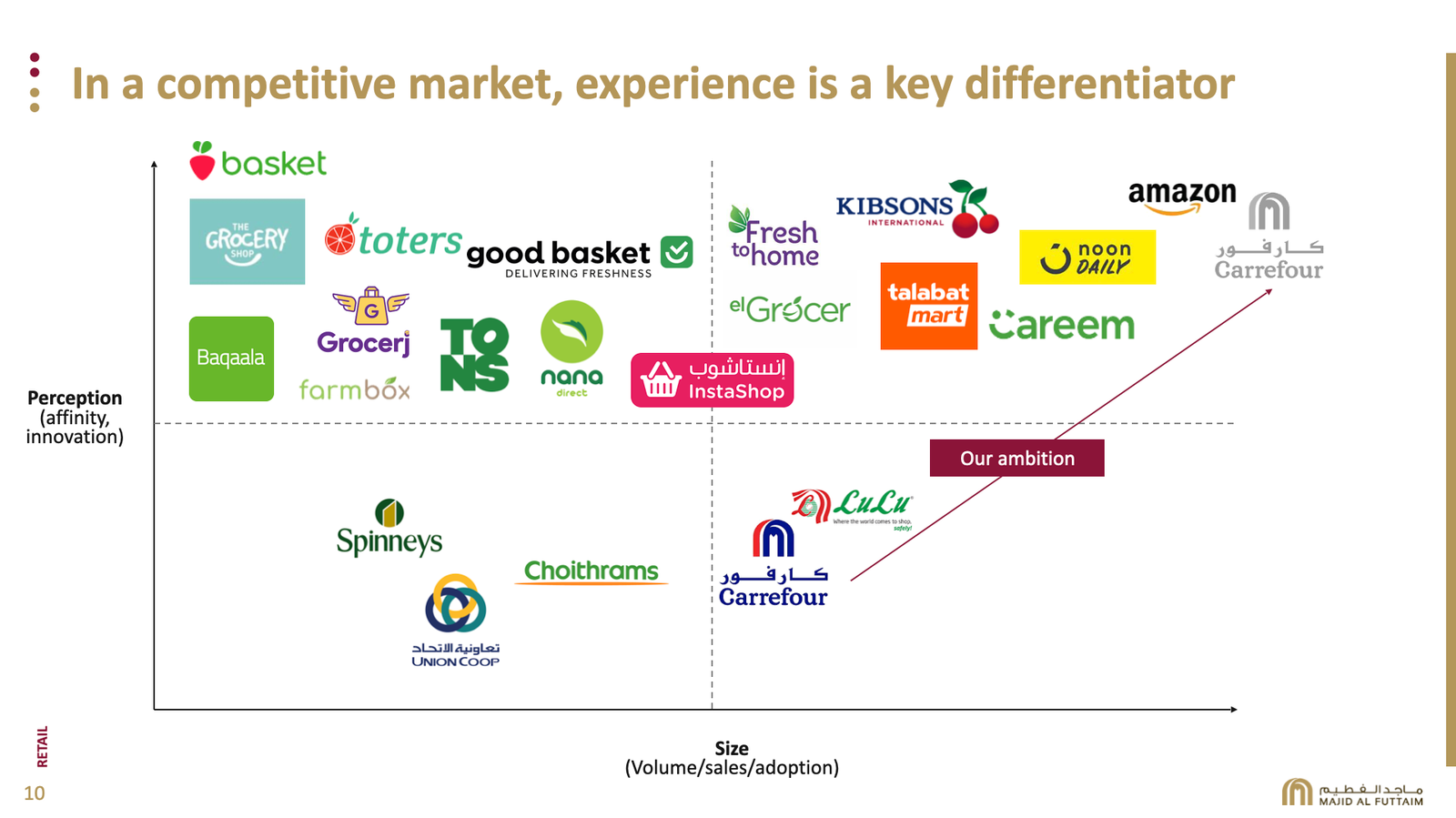
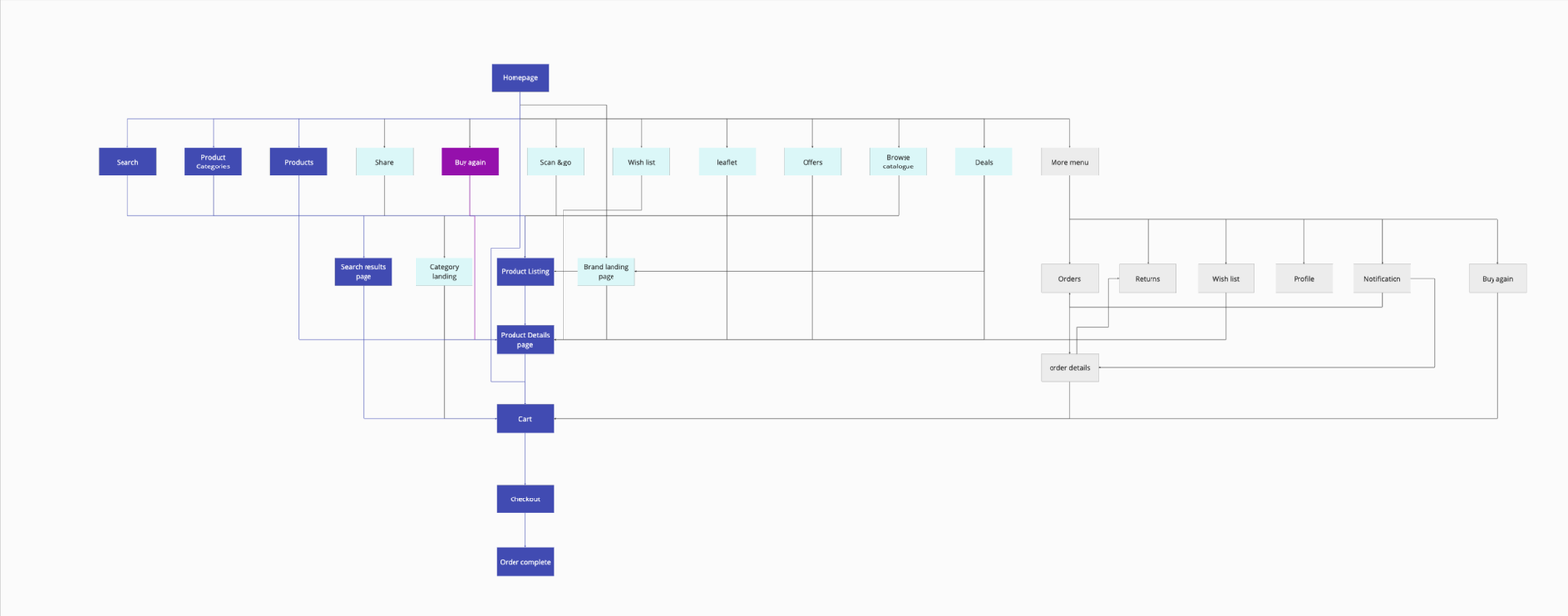
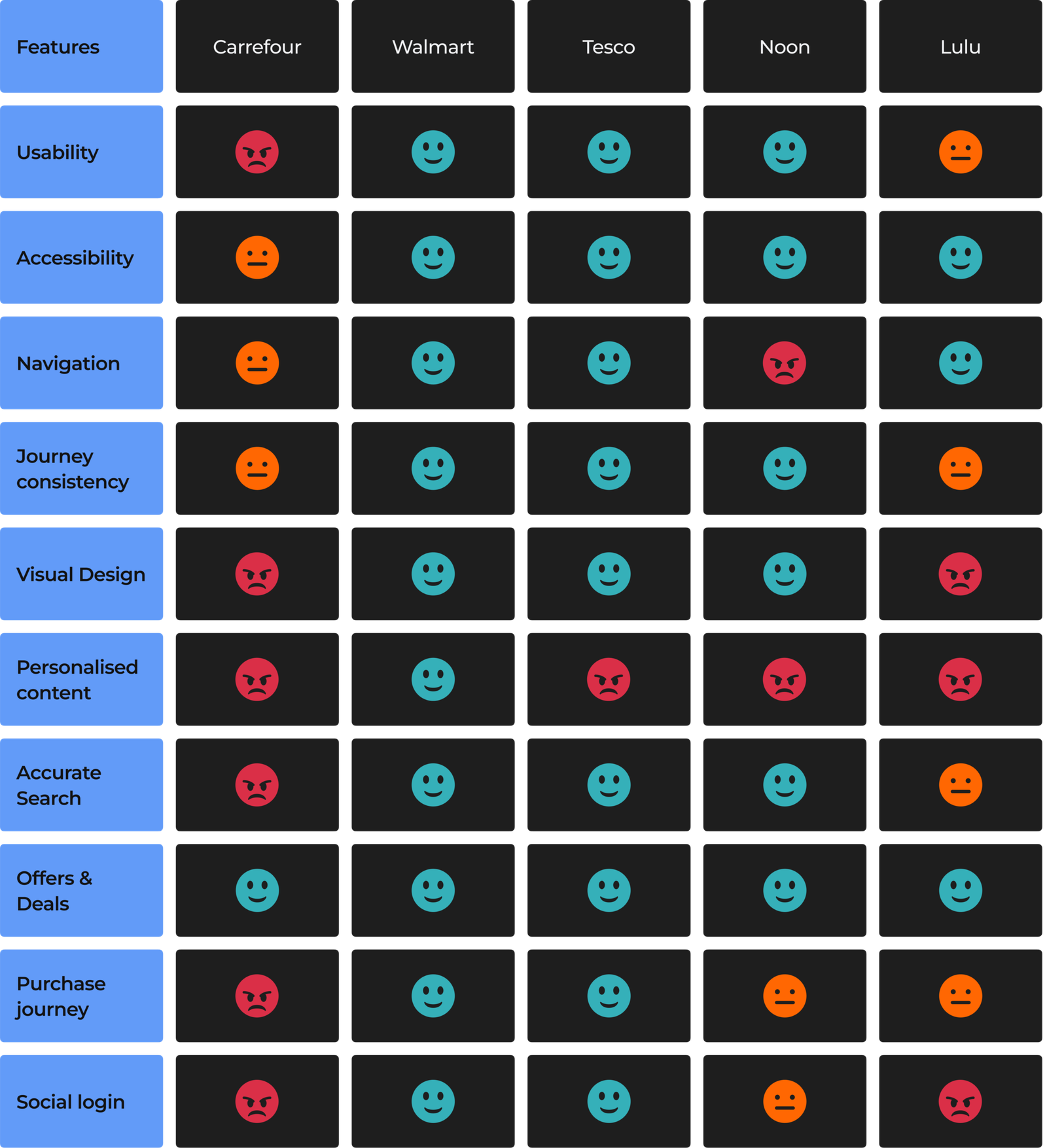
To elevate user experience, engagement, and competitiveness for “Carrefour” against rivals like “Walmart”, “Tesco”, “Noon” and “LuLu” strategic enhancements and innovative features need be deployed. The table above illustrates the benchmark for required features and enhancements to align with management goals and outperform competitors.
Define phase
In this phase, we converge all the data gathered to distill information, aligning perspectives, and defining clear design goals and user needs. My goal is to frame problem statements and outline some user stories guiding the design process.
Entering the ideation phase, I initiated exercises to ignite creativity. I engaged in a round of crazy 8’s, generating 8 ideas in 8 minutes. Following that, I conducted a ‘bad idea/good idea’ exercise, transforming 5 initial bad ideas into positive concepts.
Problem statement
In the current grocery shopping landscape, customers face challenges in navigating various platforms and sources for their needs, leading to a fragmented and time-consuming experience. The potential solution involves creating a grocery app that streamlines product discovery, simplifies navigation, and boosts user engagement. The goal is to offer a more connivance, efficient and satisfying shopping experience.